Basic Information
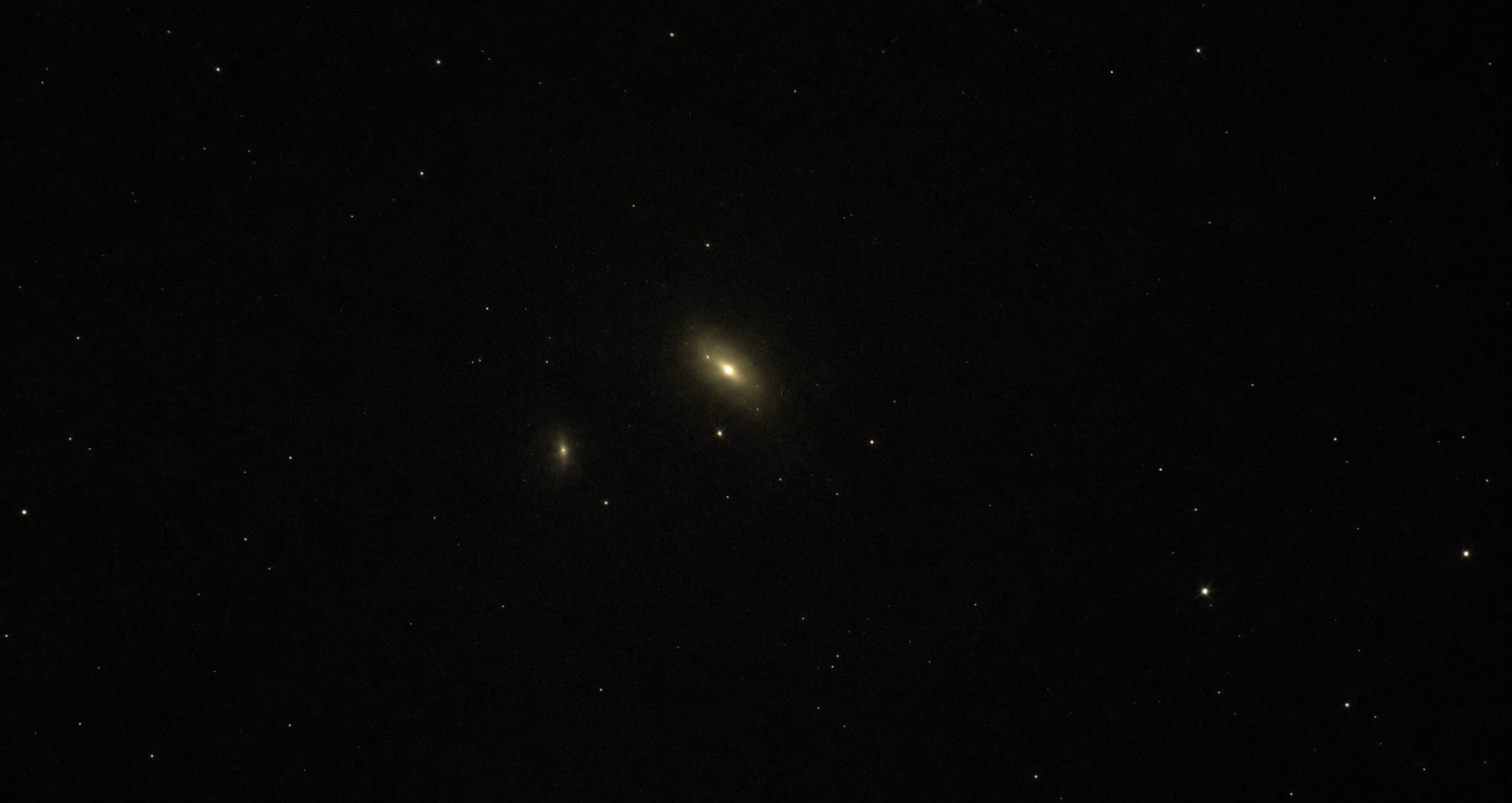
- Name: Messier 85 (M85), also known as NGC 4382.
- Type: Lenticular Galaxy (S0) or Elliptical Galaxy.
- Location: Constellation Coma Berenices.
- Distance from Earth: Approximately 60 million light-years.
- Apparent Magnitude: 9.2, making it relatively faint and challenging to observe with small telescopes.
- Size: The galaxy spans about 125,000 light-years in diameter.
Physical Characteristics
- M85 is a lenticular galaxy, meaning it exhibits characteristics between elliptical and spiral galaxies. It lacks prominent spiral arms but has a disk-like structure.
- The galaxy is extremely poor in neutral hydrogen, indicating a lack of active star formation.
- It contains a complex outer structure with shells and ripples, likely caused by a merger with another galaxy that occurred between 4 and 7 billion years ago.
- M85 hosts a relatively young stellar population (less than 3 billion years old), which is unusual for a galaxy of its type.
Discovery and History
- M85 was discovered by Pierre Méchain in 1781 and later included in Charles Messier's catalog.
- It is part of the Virgo Cluster of galaxies, a massive collection of galaxies located in the Virgo Supercluster.
Observational Highlights
- Visibility: Best observed during the spring months in the Northern Hemisphere when the constellation Coma Berenices is high in the sky.
- Best Observing Tools:
- A medium to large telescope is recommended to view M85 due to its faint magnitude.
- Under dark skies, it appears as a dim, elliptical patch of light.
- Nearby Objects:
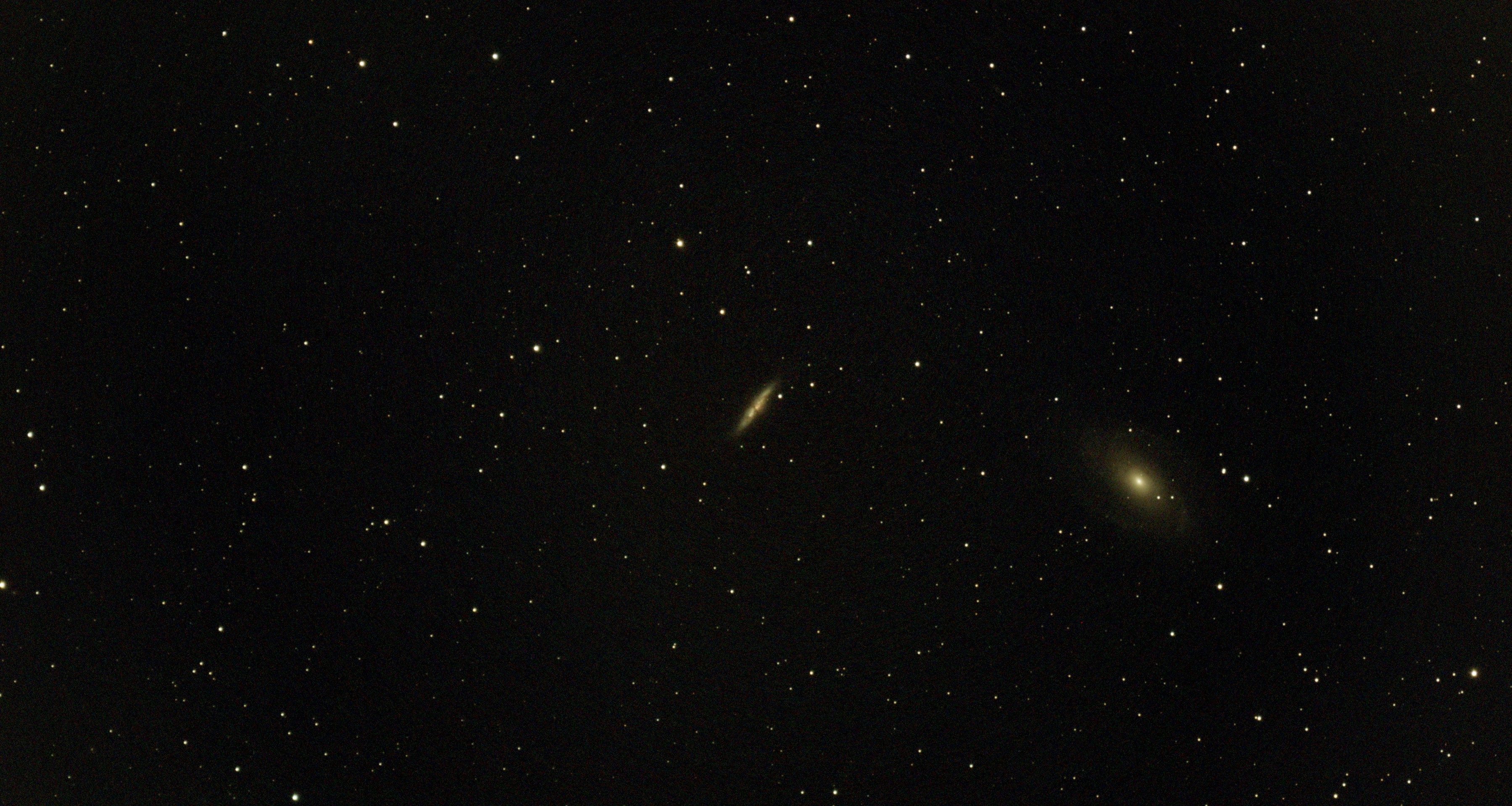
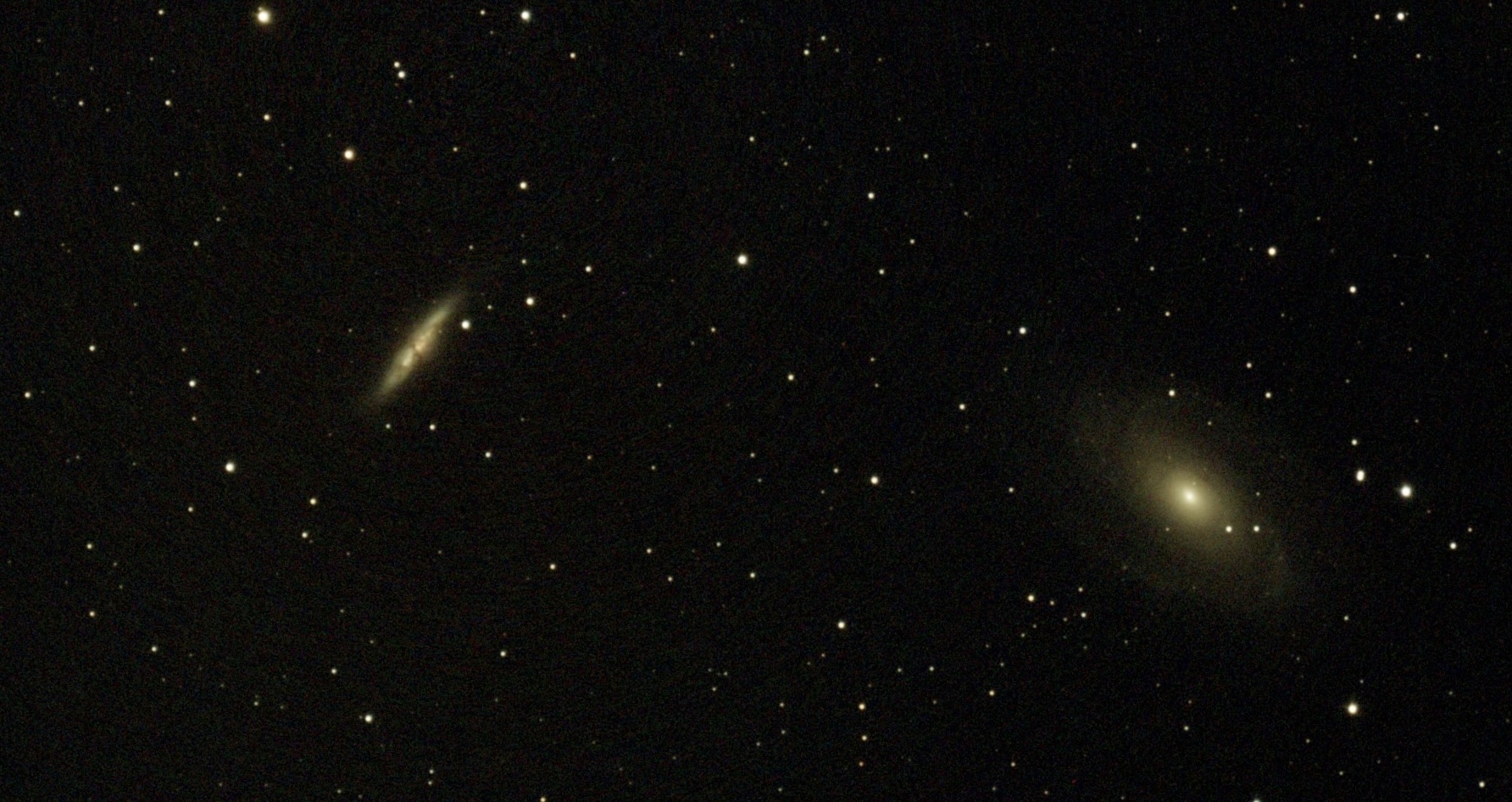
- M85 is located near NGC 4394, a barred spiral galaxy, and NGC 4387, a smaller elliptical galaxy.
- It is part of the northern edge of the Virgo Cluster.
Interesting Facts
- Galaxy Merger: The shells and ripples in M85's structure are evidence of a past merger event, which has influenced its current appearance.
- Star Population: Despite being a lenticular galaxy, M85 contains a mix of old and relatively young stars, suggesting a complex evolutionary history.
- Companion Galaxies: M85 is often observed alongside its nearby companions, including NGC 4394, which is a barred spiral galaxy.
How to Locate M85
- Find Coma Berenices: The constellation lies near Virgo and Leo. Use a star map or app to locate it.
- Use a Telescope: M85 is faint, so a telescope with at least 4–6 inches of aperture is recommended for visual observation.
- Dark Skies: Observing from a dark-sky location will improve visibility and help reveal nearby galaxies.
Personal Note
This images of the M85 galaxy, was sort of a desperate attempt to get the image of a relatively
distant object that can still be captured by the limited capability of our telescope. While I was
aiming for something that was 66 million light years away or more, unfortunately I did not manage
any candidates that were visible at the time of the year, from my location of the setup and with
good visibility.
While I may not have managed an exact target, the M85 still holds a grand position in our collection.
This galaxy, which is 60 million light years away from earth, is the distinctly visible furthest
celestial object that we can showcase. Just imagine, the light that we captured in our frames, is
60 million years old. That is 60, followed by six zeros!!! If we consider how the earth was at that
time, the dinosaurs have disappeared around 6 million years earlier. New fauna was growing after the
rubble of the asteroid hit had cleared, and the earth was finally moving towards a setup for new
types of living beings. Humans came a lot later, as per scientific discoveries. The earth at that time
didn't even know the touch of humans. That is what we are seeing, and we managed to capture an
image that is so old.
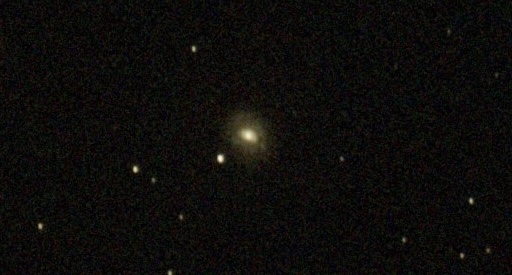
One more note, the galaxy we can see in the image, the small speck of light, is even bigger than our
Milky Way galaxy. Letting that sink in.
Author
Tasnim M Ankon
Software engineer, freelance photographer and cosmology enthusiast. Photos from smart telescope (Vaonis Vespera II), description prepared with help from ChatGPT-4o. Cover photos, if edited, using GIMP, Siril and GraXpert.